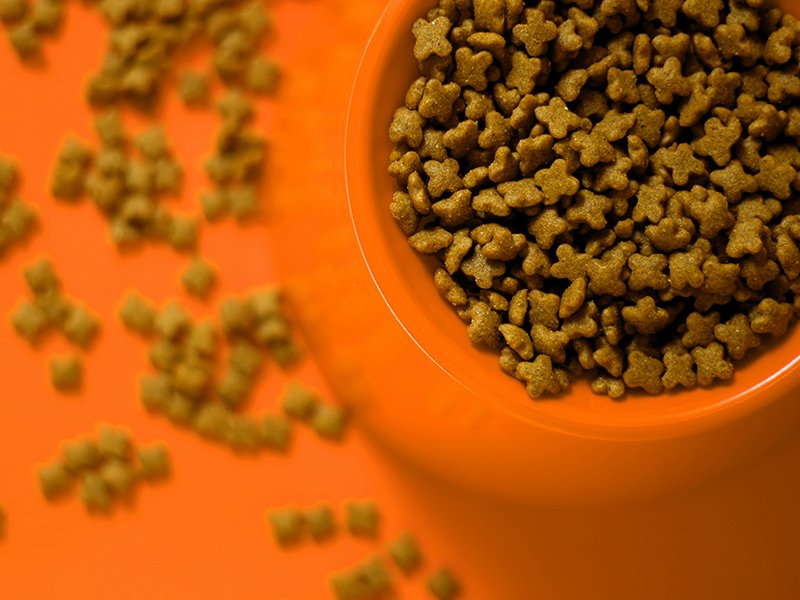

Because every dog deserves a bowl full of tail-wagging goodness! 🐾
At All Things Pawsome, we believe that choosing your pup’s food shouldn’t be a guessing game; it should feel like picking out their favourite treat with love, care, and a happy woof!
Whether you’ve got a bouncy puppy, a zoomie-prone adult, or a snuggly senior, feeding them right makes all the difference. So, let’s dig into how to choose the right food for your dog based on their breed, age, and how much they like to play, nap, or fetch!
Why Finding the Most Appropriate Nutrition for your Beloved Pooch Matters 🐶💚
Not all doggos are built the same.
A sprightly Jack Russell Terrier has totally different energy needs than a lounging Great Dane. And don’t get us started on the difference between a teething puppy and a wise ol’ shepherd with a silver snout. That’s where customising nutrition comes in.
Finding the right food for your furry companion matters because it:
- Supports healthy growth and development
- Maintains proper weight and energy levels
- Promotes a shiny coat, strong joints, and good digestion
- Helps prevent breed-specific health issues
At All Things Pawsome, we’re big believers that real, natural ingredients = real, happy pets. That’s why all our food is made with love, quality proteins, and no yucky fillers or artificial stuff.
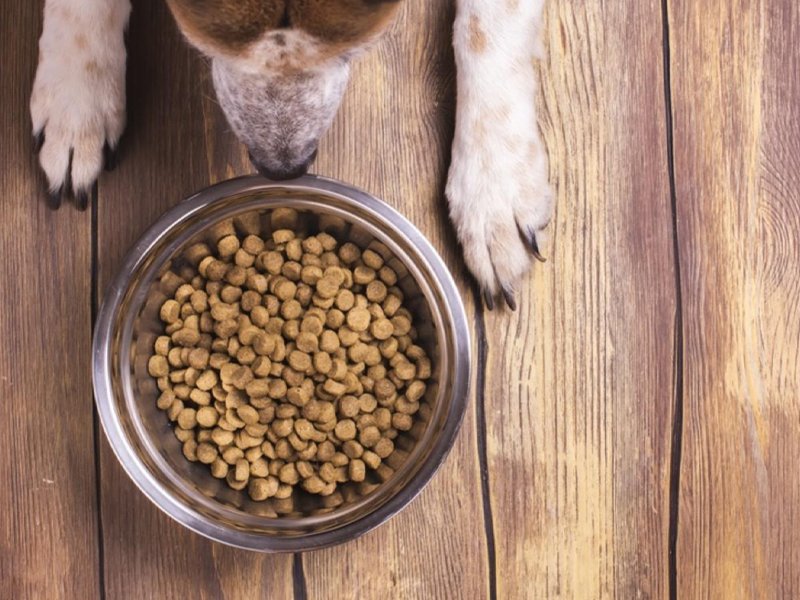
For the Wiggly Puppies 🐾🍼
(Ages: 0–12 months)
Awww, puppyhood. That magical (and messy) time full of chewed slippers and tiny tail wags. But did you know that your pup grows faster in their first year than a human toddler? Yep! So they need more calories, protein, and nutrients to fuel all that growing and learning.
What to Look For in Puppy Food:
- High protein from real meat (chicken, lamb, salmon, etc.)
- DHA for brain and eye development
- Calcium and phosphorus for strong bones and teeth
- Small, easy-to-chew kibble for little mouths
🦴 Our Pawsome Tip? Feed your puppy 3–4 small meals a day to avoid tummy upsets and support steady growth.
Breed-Specific Notes:
- Small breeds like Yorkies may need more calorie-dense food.
- Large breeds like Labs or Goldens need controlled calcium to avoid rapid bone growth.
For the Energetic Adults 🐕⚡
(Ages: 1–7 years)
This is the prime of your dog’s life; they’re chasing squirrels, going on hikes, or simply zooming from couch to couch. Their food should match their energy and breed needs.
What to Look For in Active Adult Dog Food:
- Balanced protein and fats to support muscle and energy
- Whole grains or fibre-rich veggies for digestion
- Omega-3 fatty acids for joints and coat health
- Breed-specific formulas (yes, they’re a thing!) for tailored nutrients
🎾 Our Pawsome Tip? If your dog is more of a cuddle-bug than an athlete, opt for weight-management formulas with fewer calories.
Breed-Specific Notes:
- Working breeds (like Huskies or Border Collies) need higher protein.
- Toy breeds may need more frequent, smaller meals.
- Short-nosed breeds (like Pugs or Bulldogs) benefit from special kibble shapes that are easier to munch.
For the Sweet Seniors 🐾👵🐕
(Ages: 7+ years)
Aww, the golden years. Senior pups need just as much love, maybe more!, but a little less calorie-dense food, plus some special extras to support their ageing joints and slower metabolisms.
What to Look For in Senior Dog Food:
- Lower calories to prevent weight gain
- Joint support, like glucosamine and chondroitin
- Easily digestible proteins and grains
- Antioxidants for immune health
🍠 Our Pawsome Tip: Softened kibble or wet food can help dogs with dental issues. And smaller, more frequent meals are gentler on their tummies.
Breed-Specific Notes:
- Large breeds are prone to joint issues, so go with something for extra joint support!
- Small breeds tend to live longer, so choose formulas designed for longevity and heart health.

How Activity Level Plays a Role 🏃♀️🐕💨
Whether your dog is an Olympic sprinter or a professional napper, their energy output should guide their food intake, which means their food needs to match their level of activity.
- High-activity dogs (hiking buddies, agility champs): Need more protein, healthy fats, and calories
- Moderately active dogs (walks and playtime): Balanced diets are ideal
- Low-activity dogs (couch cuddlers, seniors): Lower calorie diets help avoid extra pounds
🐾 Keep a close eye on your dog’s weight, energy, and coat. Those are often the first signs their food needs tweaking!
How All Things Pawsome Can Help 🌟🐾
At All Things Pawsome, we know pet nutrition isn’t one-size-fits-all. That’s why we offer a lovingly crafted range of foods for every breed, age, and lifestyle.
✅ Made with natural, real ingredients
✅ Free from fillers, by-products, and artificial yuck
✅ Backed by expert nutritionists and pet lovers
✅ Tailored formulas for puppies, adults, and seniors
✅ Options for allergies, sensitivities, and picky eaters!
Whether you’re welcoming a new pup or helping your older dog stay spry, we’re here with tail-wagging, vet-approved options that’ll have them begging for more.
Wrapping It All Up With a Bow(wow) 🎀🐾
Choosing the right food for your dog isn’t just about what’s on sale or what the bag looks like, it’s about giving your furry BFF the best shot at a long, tail-wagging, happy life. From playful pups to golden oldies, every stage of life deserves proper nutrition, yummy flavours, and a whole lotta love.
And hey, if you’re ever stuck or unsure, our team at All Things Pawsome is just a bark away, ready to help you pick the paw-fect formula!
Ready to give your dog the nutrition they deserve?
Browse our collection of breed- and age-specific dog food and start your pup’s journey to pawsome health today!
FAQs About Choosing Dog Food 🐶❓
Q: Can I feed my dog human food instead of dog food?
A: Some human foods are safe in moderation, but dog food is specially balanced to meet your pup’s unique nutritional needs. Stick to vet-approved treats like cooked chicken or carrots when in doubt!
Q: How do I know if my dog is allergic to their food?
A: Look out for signs like itchy skin, ear infections, or upset stomachs. Try a limited-ingredient or hypoallergenic formula if you suspect a food sensitivity.
Q: Should I change my dog’s food as they age?
A: Absolutely! Puppies, adults, and seniors have different nutritional requirements. Transition slowly over 7–10 days to avoid tummy troubles.