

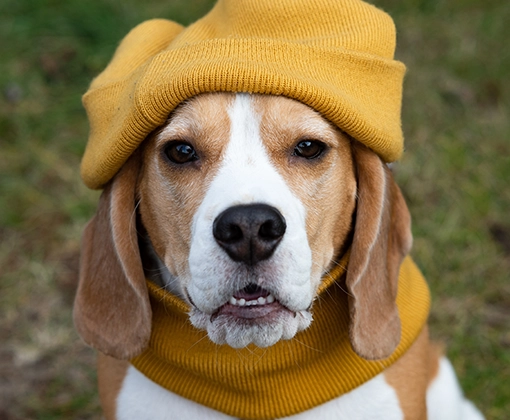
How to Keep Pets Warm This Winter in South Africa
Your Labrador does not feel a Highveld frost the way a Chihuahua does. Neither does a fourteen-year-old cat with arthritis, compared to the kitten currently doing zoomies across the kitchen floor.
Although our South African winters rarely reach European extremes, the clear night skies and thin-walled homes tend to let indoor temperatures drop faster than most of us expect and while we can pull on a jersey and complain bitterly, our pets can’t.
Often, we can’t tell that our pets are getting chilly, because we don’t understand the various signs. But when that cold settles into their little bones, it can do so quickly and leave your pet uncomfortable.
Which Pets Feel the Cold First
Small, short coated, senior, and very young animals lose body heat before large or double coated breeds do, largely because they carry less insulating fat and fur.
Small dogs, senior dogs, puppies, and short coated dogs face a higher risk of rapid heat loss than sturdier, well insulated breeds.
A Chihuahua, Whippet, or Sphynx cat needs a coat and shelter at temperatures that a Boerboel or Maine Coon barely notices.
This is because a healthy dog’s normal body temperature sits between 38.3 and 39.2 degrees Celsius, and hypothermia begins once core temperature drops below about 37.2 degrees, with cats running within a similar range of roughly 38 to 39.2 degrees.
Pets not used to cold weather generally start to struggle outdoors below about 7 degrees Celsius, though that will depend on the breed and coat.
Warmth for Your Pet
Making sure that you are giving your pet enough warmth is going to depend on their coat type, their size, their age, and how much time they are spending outdoors.
A short coated small breed sleeping on tile needs a different plan to a large, double coated dog that mostly stays in a garden during the day.
To give you a little more detail:
| Pet type | Cold risk | What actually helps |
|---|---|---|
| Small or short coated dogs (Chihuahua, Whippet, French Bulldog) | High | Insulated coat outdoors, raised draft free bed indoors |
| Large double coated dogs (Boerboel, Golden Retriever) | Low to moderate | Dry shelter and extra bedding on the coldest nights, minimal wardrobe needed |
| Senior pets, or those with arthritis or thyroid issues | High | Heated or self warming bed, shorter cold exposure, a pre winter vet check |
| Puppies and kittens | High | Warm, draft free sleeping area, no unsupervised outdoor time in the cold |
| Outdoor and community cats | High | Insulated, weatherproof shelter with raised, dry bedding |
The Warning Signs your Pet is Getting Cold
A great way to work out how cold your pet is, is to think “if I am cold, they are probably cold too”.
Shivering and curling up for warmth are usually the first visible signs of mild hypothermia and you will want to not even get to this point.
As it worsens, gums can turn pale or bluish, breathing becomes shallow, the heart rate slows, and the animal may seem confused or unusually sluggish.
The sign most owners misread is the one that is possibly the most important.
When shivering stops rather than eases, it usually means the body has run out of energy to keep generating heat, not that the animal has warmed up.
A pet showing this sign, or one that collapses or will not respond, needs a veterinarian immediately, not a blanket at home.
Five Checks You Should Do
Paw pads, not just fur.
Cracked or reddened pads are a sign of cold and salt damage that a jacket will not fix. Check paws after every winter walk.
Water bowl placement.
A bowl against an exterior wall chill faster than one on an inner wall, and pets drink less from icy water, which raises the risk of dehydration.
Bedding height, not just thickness.
Concrete and paving pull heat from a resting body far faster than grass or wood. A bed raised even five centimetres off the ground makes a measurable difference.
A pre winter vet check for older pets.
Thyroid function and joint health both affect how well a senior animal regulates its own temperature, so this is worth confirming before the coldest months, not during them.
A second look at draughts.
Cold air moving under a door affects a sleeping pet more than a slightly lower room temperature does. Draught excluders cost little and help more than an extra blanket on top.
All Things Pawsome in Menlyn stocks all of the winter basics and each product is chosen with this exact decision tree in mind, from lightweight coats sized for Whippets and French Bulldogs through to raised, insulated beds for senior dogs and outdoor cats.
Our staff can help match a coat or bed to a specific breed, age, and coat type rather than guessing from a size chart alone.
Thankfully, winter in South Africa does not last long, but just one frigid week and your pet is going to be miserable if you are not prepared.
Give your pet the warm spot they deserve so that they can have a comfortable, snug winter.
Frequently Asked Questions
What temperature is too cold for a dog in South Africa?
Dogs not used to cold weather generally begin to struggle outdoors below about 7 degrees Celsius, though small, short coated, senior, or unwell dogs may need protection well before that point. Large, double coated breeds tolerate colder conditions for longer.
How can I tell if my cat is too cold?
A cold cat seeks out warm surfaces, curls into a tight ball, and may feel cool to the touch on the ears and paws. Persistent shivering, lethargy, or reluctance to move are signs a cat needs a warmer sleeping spot straight away.
Do short haired dogs need a jacket in winter?
Yes. Breeds with short or single coats, including Whippets, Dobermanns, and French Bulldogs, lose heat quickly and benefit from an insulated jacket on cold walks or overnight if kept outdoors. Double coated breeds rarely need this extra layer.
What are the early signs of hypothermia in pets?
Early signs include persistent shivering and curling up for warmth, along with cool ears and paws and general lethargy. If shivering stops entirely rather than easing, this signals a medical emergency rather than improvement. Halo CollarPetMD
How do I keep an outdoor pet warm at night?
Provide a raised, insulated, draft free shelter positioned away from wind, with dry bedding changed regularly to prevent dampness. Lifting the bed off cold concrete or paving reduces heat loss through direct contact with the ground.