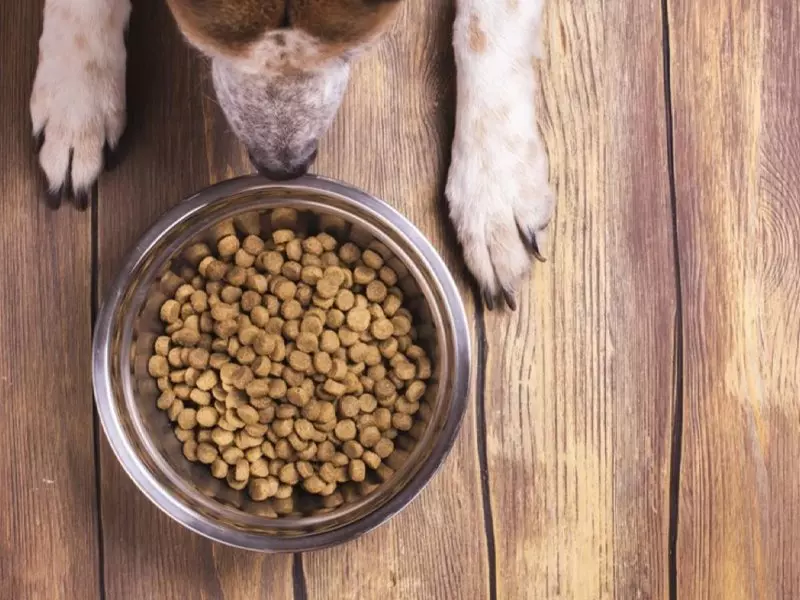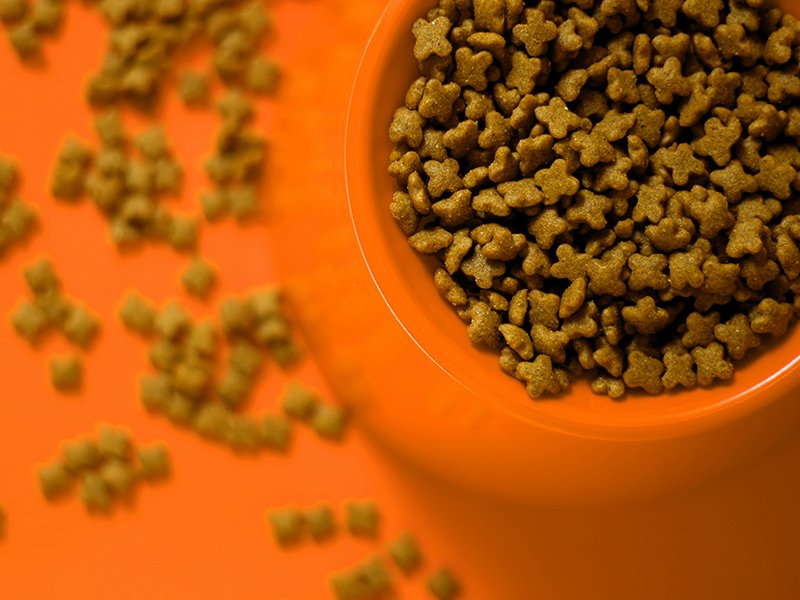

If you’re a pet parent, you’ll know that mealtimes are one of the highlights of your furry friend’s day. But what happens when food becomes the problem instead of the joy?
Just like us, pets can experience food sensitivities, intolerances, and allergies, and these can show up in ways that aren’t always obvious.
In South Africa, where the pet food industry is booming and choices are wider than ever, it’s important to know how to spot the early signs of food issues because doing so means happier, healthier pets and fewer unexpected vet visits.
At All Things Pawsome, we are the pet food experts, and these are the tell-tale signs, unique checks you can do at home, and steps to take if you suspect your pet’s diet might not be so compatible with your animal.
🐾 Common Signs Your Pet Might Have Food Issues
Food issues don’t always look the same in every pet. Here are some of the most common red flags to watch out for:
Digestive Distress
- Frequent diarrhoea, vomiting, or excessive gas after meals.
- Straining to pass stools or sudden changes in stool consistency.
According to the South African Veterinary Association, persistent digestive upset is one of the strongest indicators of dietary intolerance.

Skin and Coat Problems
- Itchy, red patches that don’t go away.
- Constant licking or chewing of paws.
- A dull, brittle coat or unusual hair loss.
Food allergies are a major trigger for chronic skin conditions in pets, with research published in the Journal of Veterinary Internal Medicine noting that up to 24% of dogs with skin allergies are reacting to their diet.
Behavioural Clues
- Restlessness or irritability after meals.
- Reluctance to eat certain foods.
- Lethargy or reduced enthusiasm for playtime.
Food sensitivities can sometimes lead to discomfort that shows up as mood or energy changes, something only a pet parent tuned in to their companion’s habits will notice.
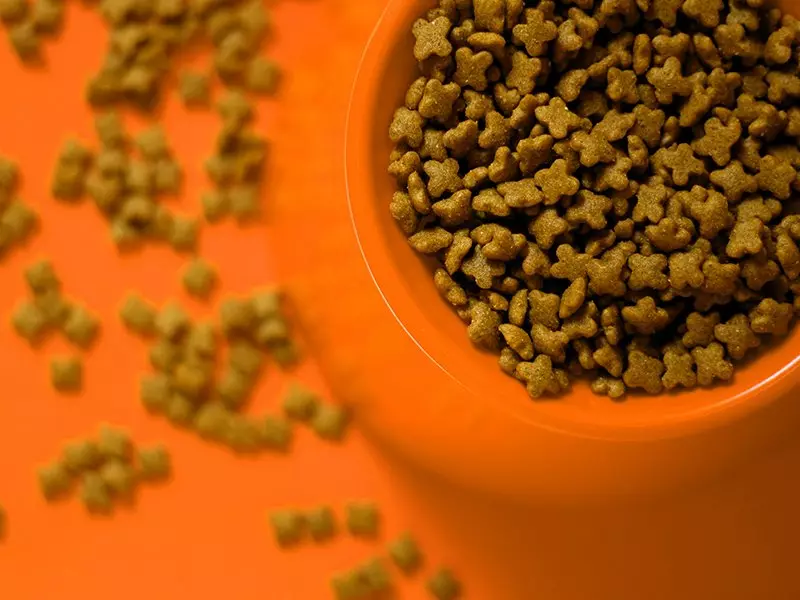
🦴 Practical At-Home Checks Every Pet Parent Can Do
You don’t need to be a vet to start identifying whether food might be the issue. Here are some simple, practical checks:
- Keep a Food Diary
Note down what your pet eats daily, including treats and table scraps, alongside any symptoms that appear. Over a few weeks, patterns often emerge.
- Inspect Paws and Ears Weekly
Paws that are constantly licked or ears that smell yeasty can indicate underlying food reactions. A gentle check during cuddle time can reveal early signs.
- Monitor Mealtime Excitement
If your pet hesitates to eat or approaches food with less enthusiasm than usual, it might mean their diet isn’t agreeing with them.
- Track Stool Quality
Yes, it’s not glamorous, but keeping an eye on what’s left behind on your daily walks or litter box visits can tell you more than you think. You can look up and use the Purina Fecal Scoring Chart to compare.
🐶 When to Call the Experts
If symptoms are persistent or worsening, don’t delay reaching out to your vet. A proper diagnosis might involve elimination diets or allergy testing.
This is also where choosing the right food makes all the difference. At All Things Pawsome, we carefully source high-quality, natural ingredients designed to support optimal digestion, skin health, and energy levels. Our mission isn’t just to feed your pets, it’s to help them live their best and healthiest lives.
🐕 Give Your Pets the Healthy Life They Deserve
Spotting food issues early can transform your pet’s health and happiness. By watching for signs, doing simple at-home checks, and making informed food choices, you’re already one step ahead.
At All Things Pawsome, we’re here to support South African pet parents with nutritious, delicious food options that meet your pet’s unique needs. If you suspect your furry friend might have food issues, reach out and let’s work together to find a solution that keeps tails wagging and whiskers twitching.