
Importance of Hydration for Pets and How to Encourage It
There is something quietly worrying about a pet that seems just a little “off”. A slower tail wag, a nap that lasts longer than usual, a bowl of water left untouched. In South Africa’s warm climate, these small shifts can sometimes point to something easily overlooked yet deeply important. Hydration for pets.
While food often takes centre stage in pet care, water is the silent essential. Without enough of it, even the healthiest pet can begin to feel the effects surprisingly quickly. The good news is that with a few thoughtful habits, hydration can become a natural part of everyday care.
How can I tell if my dog or cat is dehydrated?
Pets rarely announce discomfort in obvious ways, which makes subtle observation a valuable skill.
Common signs of dehydration include dry gums, sunken eyes, and a noticeable drop in energy. A simple skin elasticity test can also help. Gently lifting the skin between the shoulders should see it return quickly to its place. If it lingers, hydration may be lacking.
According to guidance from the https://www.avma.org, even mild dehydration can begin to affect a pet’s circulation and overall well-being. In warmer regions, this can happen faster than expected, especially during the summer months.
Cats, in particular, tend to drink less naturally, which makes them more prone to chronic low-level dehydration.
When should I contact the vet?
There is a fine line between mild dehydration and something more serious. If a pet shows persistent lethargy, vomiting, or refuses water entirely, professional care is essential.
The https://www.rspca.org.uk notes that prolonged dehydration can lead to organ strain, particularly affecting the kidneys. This is especially relevant for older pets, who may already have underlying sensitivities.
If symptoms do not improve within a few hours after encouraging fluid intake, it is always safer to seek veterinary advice. Acting early often prevents more complex treatment later.

What’s the best thing for a dehydrated dog?
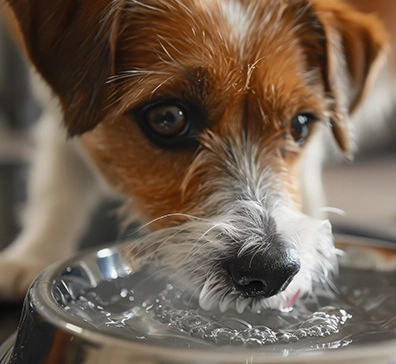
For mild cases, clean, fresh water remains the most effective first step. It should always be easily accessible and changed regularly to maintain freshness.
In some situations, adding a pet safe electrolyte solution can help restore balance more quickly. These are particularly useful after long walks or warm days outdoors.
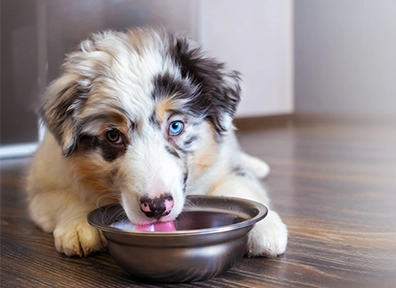
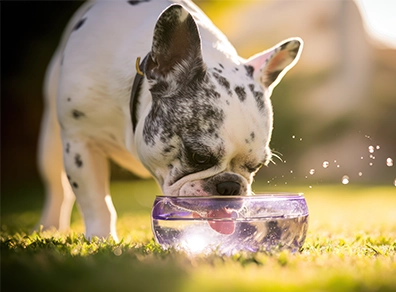
Hydration is not only about availability. It is also about appeal. Dogs are more likely to drink when water feels fresh and inviting. Something as simple as a well-designed bowl or a shaded drinking spot can make a noticeable difference.
Brands like https://www.atpawsome.co.za understand this subtle detail, curating products that make everyday essentials feel considered rather than routine.
How to treat dehydration in dogs at home naturally?
For gentle, at home care, small adjustments often work beautifully.
Adding water to dry food creates a softer, more hydrating meal. Bone broth made specifically for pets can also encourage drinking, as the aroma draws them in naturally.
Offering smaller amounts of water more frequently can help pets who feel overwhelmed by a full bowl. Ice cubes can be a playful addition, especially for dogs who enjoy a bit of texture.
For cats, water fountains can be particularly effective. Flowing water tends to capture their attention far more than a still bowl.
Creating a hydration routine that feels effortless
Hydration works best when it becomes part of a gentle daily rhythm.
Placing multiple water stations around the home, especially in shaded or cool areas, increases the likelihood of regular drinking. Keeping bowls clean is equally important, as pets can be surprisingly particular about freshness.
Data from https://www.petmd.com suggests that dogs typically need about 30 to 60 millilitres of water per kilogram of body weight daily, while cats require slightly less but benefit from consistent access.
These small, steady habits create a sense of ease, ensuring pets remain comfortable without constant monitoring.

A softer, more thoughtful approach to pet care
There is a quiet kind of care in paying attention to the details that are easy to miss. Hydration may not always feel urgent, yet it shapes a pet’s comfort, energy, and long term health.
With the right tools and a little intention, it becomes less of a task and more of a natural extension of daily life. Thoughtfully chosen essentials from trusted pet retailers bring a sense of ease to this process, helping pet owners care with confidence and calm.
Frequently Asked Questions
Why is hydration important for pets?
Hydration supports circulation, digestion, and temperature regulation, making it essential for a pet’s overall health and daily comfort.
How much water should pets drink daily?
Dogs typically need 30 to 60 millilitres of water per kilogram of body weight, while cats require slightly less but should always have access to fresh water.
What are early signs of dehydration in pets?
Early signs include dry gums, reduced energy, and decreased appetite, along with changes in skin elasticity.
How can I encourage my pet to drink more water?
Using fresh water, multiple bowls, pet fountains, and adding moisture to food can help increase water intake.
Can dehydration be treated at home?
Mild dehydration can often be managed at home with increased water intake and hydrating foods, but persistent symptoms require veterinary care.