

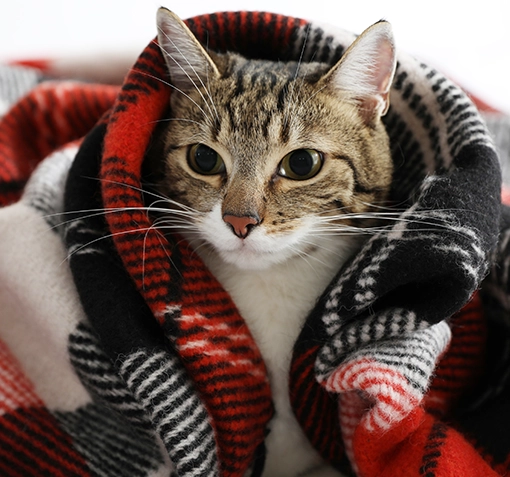
A Guide to Keeping Dogs and Cats Warm and Healthy
Pretoria winters really are something else.
The days stay bright and are sometimes mild enough for a T-shirt, once the sunshine disappears, the temperatures drop drastically, often below freezing.
While we can bundle on extra clothes, curl up under blankets and heat the hot water bottle, our pets have just their fur and their trust that we will know when they need some extra warmth.
Dogs and cats feel the temperatures changes more than you might notice, especially small, short-haired or older pets curled up near a cold tile floor.
Rather than having another winter of guessing, in this guide, we’re going to give you all of the info you need in order to make sure that your furry friends stay warm and healthy through the cold months.
A Guide to Keeping Dogs and Cats Warm and Healthy
The internet is packed full of tips for winter pet care and it can be difficult to go through them all, trying to decide which will work. These winter pet care tips are easy to follow and will work well:
1. Know the real risk temperature, not the daytime one
Pretoria’s daytime highs in June and July reach a pleasant 19°C to 21°C, but nights regularly drop to 4°C to 8°C, occasionally lower. Vets generally flag 7°C as the point where small breeds, short-haired dogs, puppies and senior pets need extra protection.
2. Watch for arthritis, not just shivering
Arthritis is a leading cause of chronic pain in adult dogs and affects roughly two thirds of older cats, and cold weather makes it worse. A pet that hesitates before jumping onto the couch, walks with a shortened stride, or rises slowly after a nap is showing early signs you should mention to your vet before winter sets in.
3. Dry air is the hidden skin problem
South African winters are dry rather than wet, pulling moisture from skin and coat as effectively as any cold wind. Flaky skin, dull coats and extra shedding are common by August, and cutting bathing frequency while adding an omega rich diet helps more than an extra jersey.
4. Fleas and ticks don't clock out for winter
Parasite activity slows in Gauteng’s cooler months but rarely stops completely, and pets with patchy prevention over June and July often pick up an unwelcome hitchhiker by September. Consistent year-round parasite control is the simplest way to avoid a surprise vet visit.
Hydration and shelter are as important as a blanket
Cats have a naturally low drive to drink, and cold weather makes that worse, so a splash of warm water or a ceramic bowl helps keep them hydrated. For pets that sleep outdoors, a shelter raised off the ground, draught free and lined with fleece rather than newspaper holds warmth far better than a blanket over a draughty kennel.
Cold Sensitivity By Pet Type
The age of your pet and their breed will both be determining factors when it comes to their cold sensitivity.
And it makes sense, since a Husky is unlikely to feel the cold in the same way that a Doberman will.
| Pet type | Cold sensitivity | What helps most |
| Small or short-haired dogs | High, feels cold below 10°C | A properly fitted jersey or coat on walks |
| Senior dogs and cats | High, arthritis often flares below 7°C | Raised, padded bedding away from draughts |
| Large or double-coated dogs | Low, comfortable through most Pretoria winters | Regular brushing, no unnecessary coats |
| Indoor cats | Moderate, sensitive to dry air and cold floors | Warm, sunlit resting spots and normal water intake |
A Little Attention Goes an Extra-Long Way
Most Pretoria pets get through winter well with a bit of extra attention to warmth, food and skin.
All Things Pawsome has spent years helping Pretoria pet owners choose the right nutrition and everyday essentials for this kind of season, from omega rich diets to cosy bedding, aiming to make the choice easier rather than adding another thing to worry about.
Frequently asked questions
What are the most important winter pet care tips for Pretoria owners?
Winter pet care tips for Pretoria come down to three things: protecting against cold nights below 7°C, keeping skin and coats hydrated in dry air, and maintaining parasite control year-round. Senior pets and small or short-haired breeds need the most attention.
Do dogs need coats in Pretoria winters?
Small, short-haired, senior or very young dogs typically benefit from a jersey once night temperatures drop below 7°C to 10°C. Larger, double-coated breeds such as Labradors or German Shepherds are usually fine without one, since Pretoria’s winters rarely turn harsh.
Can cats get cold in a South African winter?
Cats feel the cold just as much as dogs, particularly indoor cats unused to temperature swings and outdoor cats exposed to cold, dry nights. Warm, draught free sleeping spots and slightly warmed water help cats stay comfortable through June, July and August.
Do fleas and ticks disappear in winter in South Africa?
Parasite activity slows during Gauteng’s cooler months but does not stop completely, so year-round prevention remains the safest approach. Pets with a gap in protection over winter often pick up a new infestation come spring.
How can I tell if my pet is struggling with arthritis in winter?
Early signs include hesitating before jumping, a shortened stride, slower movement after resting and increased licking of joints or the lower back. Arthritis affects roughly two thirds of older cats and is a leading cause of chronic pain in dogs, so a vet check before winter helps.